
The Federal Reserve has unanimously voted to raise interest rates for the first time in over three years, pushing the benchmark rate to a range between 3.75 percent and 4 percent. This decision comes as the central bank attempts to combat rising inflation fueled largely by global instability and soaring energy costs. While Federal Reserve Chair Kevin Warsh acknowledged that these hikes will not instantly drop prices, he framed the move as a necessary step toward restoring long term price stability for American families whose purchasing power has been eroded by stagnant wages.
The timing of the rate hike coincides with significant geopolitical tension involving Iran, which has sent shockwaves through global oil markets. Renewed warfare between Saudi Arabia and Iranian backed Houthi forces in Yemen has severely disrupted energy supplies, causing Saudi oil output to plummet from previous highs. These surging fuel prices have already triggered widespread protests across several nations, including Indonesia and the Philippines, while adding further complexity to the Fed’s delicate balancing act of cooling the economy without triggering a full scale recession.
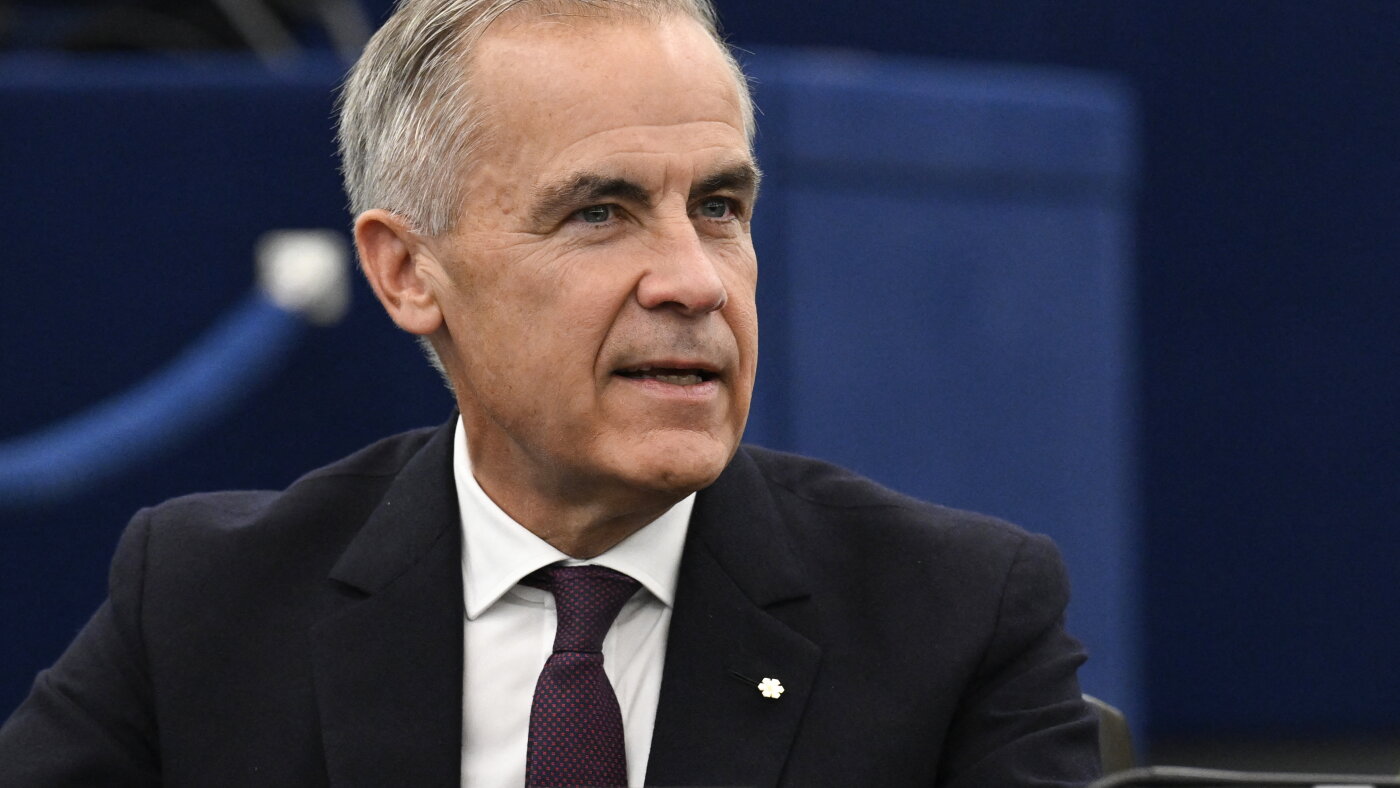
Amidst this volatility, a surprising diplomatic shift is unfolding across the Atlantic as the European Union proposes making Canada its first ever associate member. European Commission President Ursula von der Leyen introduced the novel membership model during her annual address in Strasbourg, a move echoed with enthusiasm by Canadian Prime Minister Mark Carney. Both parties appear to be seeking closer ties as a defensive measure against erratic trade policies and tariff threats coming from the Trump administration, creating a strategic alliance built on shared values and mutual economic interests.
While some diplomats suggest that Canada’s prospective role within the EU may be more symbolic than structural, others see it as a pointed signal of international solidarity. French Foreign Minister Jean Noel Barrot expressed openness to the idea though he noted that specific definitions of associate membership still need to be hammered out. Meanwhile, President Trump dismissed the proposal entirely, describing the notion of Canada joining the EU as laughable and suggesting that such an alignment could even be interpreted as a hostile gesture toward the United States.