
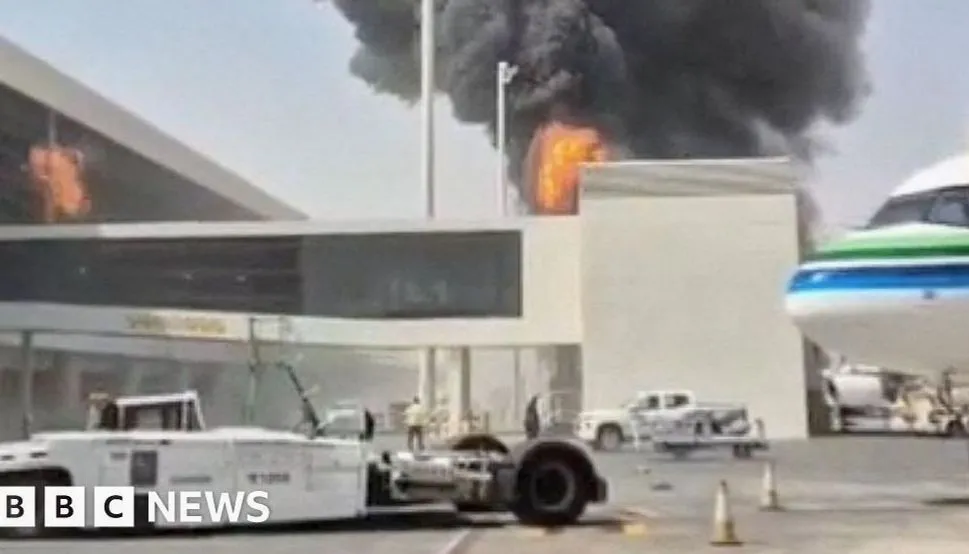
Saudi Arabia is preparing a stern response following a series of devastating attacks on its airports and energy infrastructure carried out by the Iran backed Houthi movement. Speaking at the WPC Energy Congress in Riyadh, Energy Minister Prince Abdul Aziz bin Salman emphasized that the severity of recent events demands an equally serious reaction from the kingdom. His remarks come amid a period of heightened instability that has seen multiple terminals targeted, leaving dozens dead and sparking concerns over regional security.
The violence reached a peak over the last week with several strikes hitting King Khalid International Airport in Riyadh. One particularly lethal missile strike on Terminal 3 claimed thirteen lives, while subsequent projectiles caused further fatalities, including a Pakistani resident and various foreign nationals. Beyond the capital, King Fahd International Airport in Dammam also came under fire, alongside strategic oil and gas facilities in the Eastern Province. While addressing delegates at the congress, Prince Abdul Aziz insisted that Saudi Arabia remains safe and resilient, though he admitted that these attacks have tested the nation’s infrastructure and institutional strength.
From their stronghold in Yemen, Houthi officials described the onslaught as retaliation for ongoing Saudi military campaigns in western Yemen. A spokesperson for the group stated that their operations are part of a strategy to impose an escalation for an escalation until Saudi aggression ceases and blockades on Yemeni ports are lifted. They have gone so far as to warn international passengers against utilizing Saudi airspace, excluding travel to the holy cities of Mecca and Medina. This cycle of violence follows the collapse of a fragile ceasefire after months of tension involving maritime embargos and disputes over control of critical waterways like the Bab al-Mandab Strait.
The international community has reacted with alarm to the volatility. United Nations Secretary General Antonio Guterres condemned the strikes on civilian targets as violations of international law, while Washington signaled it may consider direct involvement in supporting Saudi efforts against the Houthis. Meanwhile, Tehran continues to deny providing weaponry to the rebels despite repeated accusations from coalition forces. As pro government troops launch fresh offensives within Yemen to reclaim lost territory, both sides appear locked in a dangerous spiral where each strike fuels a promise of more severe retribution.