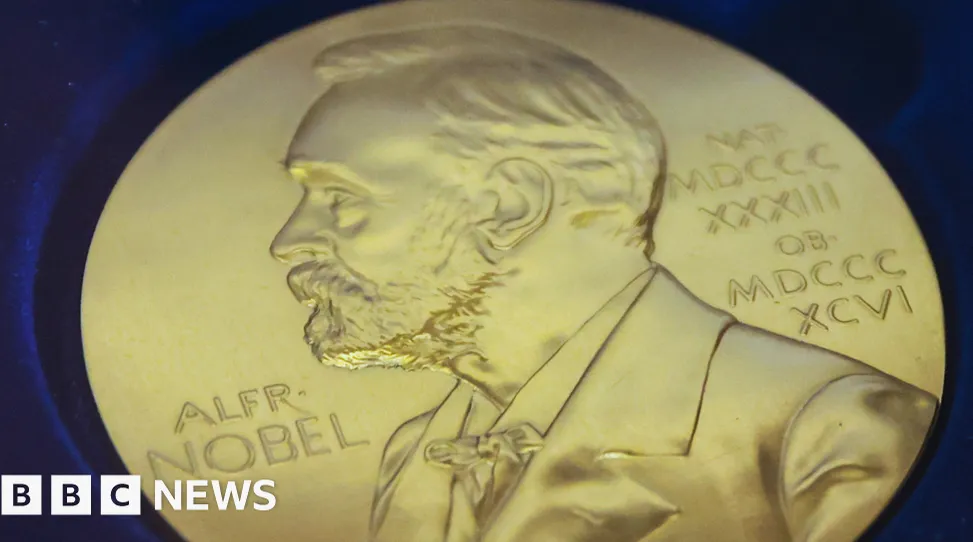
The scientific community is celebrating today as the Nobel Prize in Chemistry was awarded to Henri B. Kagan of France and Kenso Soai of Japan. The duo received the prestigious honor for their groundbreaking work in unraveling one of nature’s most enduring puzzles: the fundamental asymmetry of life. Their research provides a definitive answer to why biological systems consistently favor one specific version of certain molecules over their identical mirror images.
At the heart of this discovery is a concept known as chirality, which describes molecules that exist in two symmetrical forms. Much like a person’s left and right hands, these molecules look exactly alike but cannot be superimposed on top of one another. While both versions may seem interchangeable, the building blocks of life, including the amino acids that form essential proteins, operate using only one side of this molecular pair. Until now, why nature chose one hand over the other remained a profound mystery.
Beyond the theoretical curiosity, the findings have immense practical implications for modern medicine. In organic chemistry, different versions of a chiral molecule often possess vastly different properties; while one mirror image might effectively fight a disease, its counterpart could be entirely inert or even harmful. By understanding how to control this process, Kagan and Soai developed methods to design chemical reactions that prioritize the production of the desired version.
Their contribution marks a turning point in how chemists synthesize complex compounds and understand the origins of biological structures on Earth. By mastering this delicate balance of symmetry, the researchers have not only solved an ancient riddle about our own existence but also paved the way for safer and more efficient pharmaceutical developments across the globe.