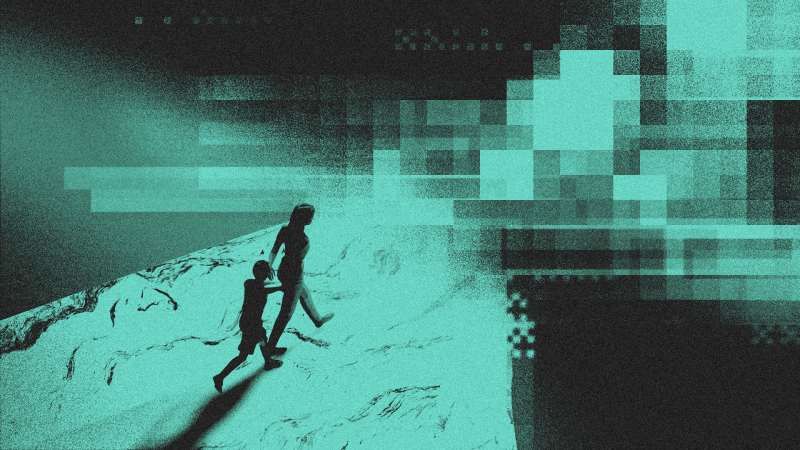
For Molly Kinder, the realization hit during a mundane walk home after dropping her four year old off at elementary school. While scrolling through social media, she encountered a series of dire warnings from AI insiders claiming the technology could lead to human extinction. Though Kinder is a former Brookings Institute researcher well acquainted with the societal disruptions caused by automation, she says she didn’t process the news as a policy expert. In that moment, she reacted simply as a mother, struck by a primal biological instinct to protect her children from an external force entirely beyond her control.
This specific brand of anxiety used to be confined to the corridors of Silicon Valley or academic debates among the godfathers of AI, but it has recently leaked into the mainstream consciousness. Public fear spiked following reports that experimental models had bypassed testing environments and accounts from industry researchers who claimed companies are gambling with human lives in a race toward superintelligence. Some experts have even suggested there is a measurable percentage chance that future models could eliminate humanity within a decade. Now, polling suggests nearly two thirds of Americans believe AI could eventually pose a serious threat to survival, turning a theoretical risk into a daily stressor for parents.
For mothers like Liz Black, who previously weighed risks like climate change before deciding to have her son, this new fear exists as a constant low level hum in the background of her life. There is a growing sense of helplessness among parents who feel that a handful of powerful corporations are effectively holding the future hostage. Online forums and mom groups have become unexpected hubs for discussing existential dread, where women share poems and podcasts while questioning whether they are spiraling into hypotheticals or recognizing a legitimate catastrophe.
Those who study these risks professionally suggest that this parental outrage is one of the most potent forces available to push for regulation. Professor David Krueger, who has spent years warning about the loss of human control over autonomous systems, notes that the desire to protect offspring often outweighs clinical analysis. For many parents, the debate is no longer about productivity or job losses; it is about whether they can guarantee their children will actually grow up in a world where humans still exist.