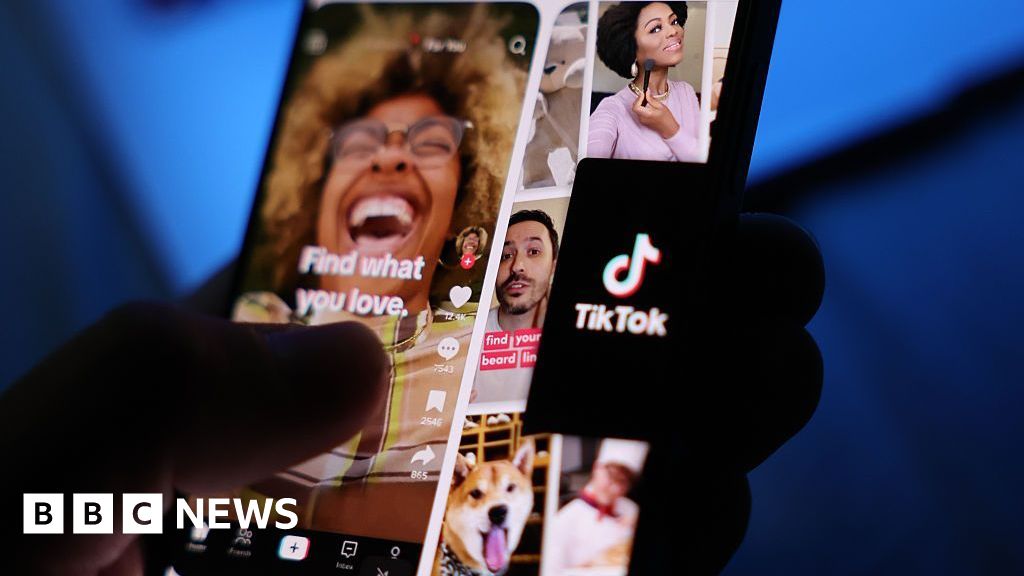
TikTok and its parent company ByteDance have agreed to pay the state of Alabama 100 million dollars to settle a lawsuit claiming the platform was intentionally designed to addict children. The agreement was reached just moments before a jury trial was scheduled to begin on Monday, marking the first time the social media giant has settled such a case with a U.S. state. As part of the deal, TikTok must introduce strict new safety measures specifically for users in Alabama, including a hard two hour daily usage limit for children and restrictions during school hours and overnight.
Katherine Robertson, chief counsel in the Alabama Attorney General’s office, expressed satisfaction with the outcome, describing the settlement as essential relief in what she called the war on childhood. While many of these usage blocks take effect immediately, TikTok has up to a year to roll out more complex requirements, such as enhanced age verification systems. These measures closely mirror a previous framework established when Meta settled similar disputes with dozens of other states earlier this year.
Beyond time limits, the settlement introduces several layers of parental oversight and security updates. Parents will gain expanded abilities to moderate their children’s activity, while TikTok will implement a total ban on cosmetic filters for minors and limit how easily adults can discover children’s accounts. Additionally, the platform is now required to alert parents regarding any suspicious interactions between adult users and teenagers. To ensure compliance, TikTok faces potential penalties of up to 300 million dollars if it fails to meet the terms of the agreement.
A spokesperson for TikTok USDS stated that the company remains committed to providing a safe and positive environment for creativity and connection, noting that these changes build upon existing efforts to protect teenage users. This legal resolution comes at a transitional period for the company following a recent restructuring of its business ownership in the United States. Despite this shift toward local investor control over U.S. operations, ByteDance remained involved in the settlement as it maintains minority ownership of the American venture.