
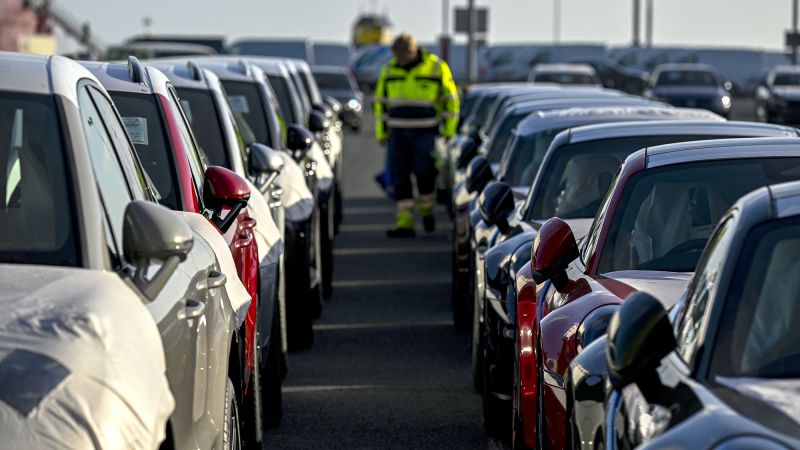
Volkswagen Group is preparing for a massive structural overhaul, announcing plans to slash its workforce by 50,000 positions and eliminate roughly half of its current vehicle lineup. This drastic move comes as the German automotive giant grapples with a perfect storm of economic pressures, including aggressive competition from Chinese manufacturers flooding the European market and mounting tariff costs on shipments entering the United States. Company officials revealed that their domestic factories currently possess an excess capacity of around 500,000 vehicles per year, though they stopped short of naming specific plants slated for closure.
Beyond the loss of jobs, consumers will notice a significantly leaner selection when visiting dealerships. Volkswagen intends to reduce the complexity of its builds by 75 percent, meaning buyers will have far fewer models to choose from and limited options for custom features. In a statement released Thursday, the company argued that focusing on a smaller number of prioritized models would allow them to excel in design and technology while achieving better economies of scale through higher production volumes per model.
The struggle reflects a broader crisis within the German industrial base, prompting concerns from government officials. Olaf Lies, the minister president of Lower Saxony and representative for one of the company’s largest shareholders, warned that the challenges facing the industry are enormous given the intensity of global competition. He called for a more supportive trade policy and competitive framework to protect the region’s industrial stability during this volatile transition.
Financial burdens are further compounded by U.S. import tariffs, which could cost the group between 4.7 billion and 5.8 billion dollars this year alone across imports from Europe and Mexico. These geopolitical hurdles have already disrupted the company’s pivot toward electrification; notably, Volkswagen halted production of its ID.4 electric vehicle for the American market back in April following shifts in U.S. administrative support for EVs. Combined with an onslaught of affordable Chinese electric cars in Europe, once-dominant brands like Audi, Porsche, and Lamborghini now find themselves fighting for ground in an increasingly unpredictable landscape.