
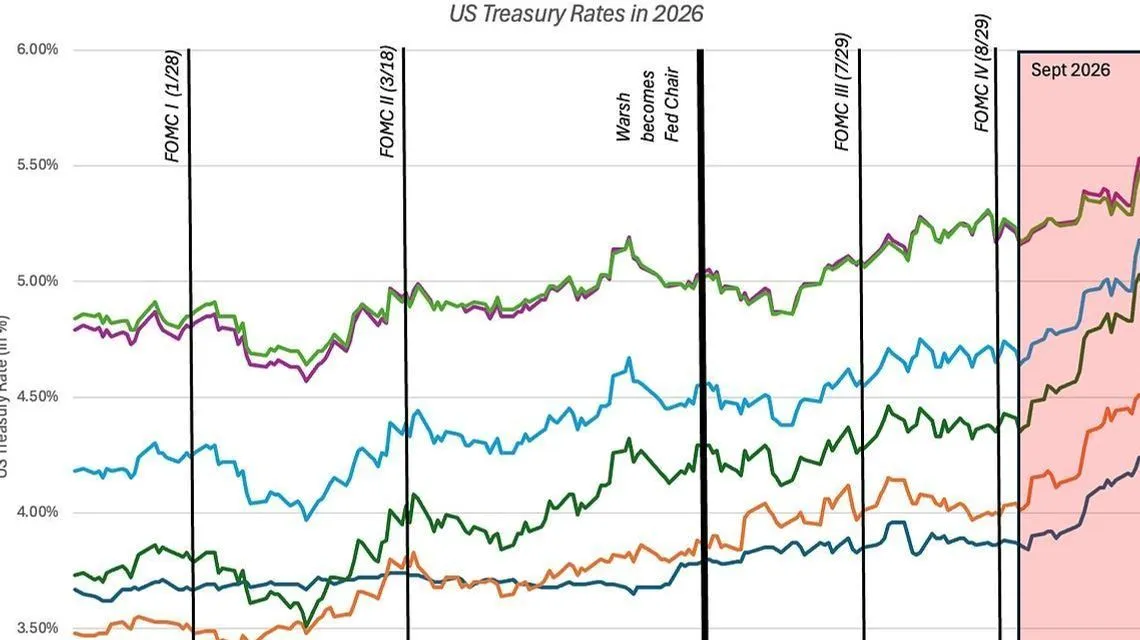
Wall Street witnessed a remarkable feat of endurance in September 2026, as equity markets managed to hold their ground despite a volatile surge in Treasury yields. The ten year rate jumped from 4.75 percent to 5.29 percent in a single month, marking one of the most aggressive climbs in decades. Normally, such a sharp increase in borrowing costs would send stocks tumbling, yet the overall market actually added 2.5 trillion dollars in capitalization during this period alone.
This resilience was driven almost entirely by a handful of heavy hitters, with the technology sector accounting for nearly 1.5 trillion dollars of those gains. While the broader market showed significant divergence, with roughly 65 percent of all listed stocks seeing price drops in the third quarter, tech continued to soar alongside energy and materials. This suggests that investor confidence is no longer tied to general economic conditions but is instead anchored to specific high growth narratives.
At the center of this defiance is an unprecedented boom in artificial intelligence capital expenditure. A complex cycle of wealth redistribution is currently underway where hyperscalers like Meta, Alphabet, and Microsoft are pouring trillions into data centers and infrastructure. While these massive investments initially weigh down the free cash flow and short term earnings of the builders, that same capital serves as immediate revenue for chipmakers like Nvidia and TSMC, as well as power plant operators and real estate developers.
Despite the climb in rates, the expected return on stocks has actually risen throughout the year, reaching nearly nine percent by late September. Analysts suggest that while some may view current valuations as pricey, the sheer scale of AI integration into corporate finance is providing enough momentum to offset traditional headwinds. For now, the appetite for AI dominance continues to outweigh the gravity of rising interest rates.