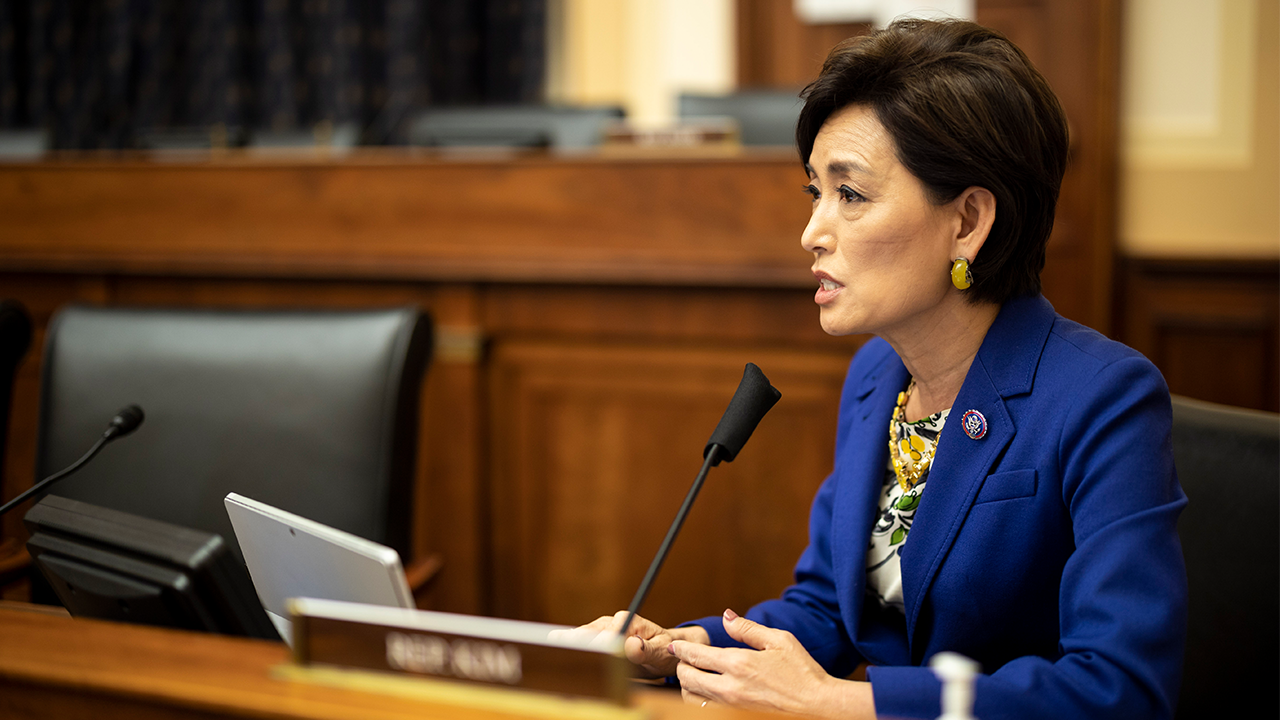
Following a recent push to restrict how members of Congress trade individual stocks, some Republicans are now turning their attention toward a different method of legislative self-enrichment. Representative Young Kim of California has introduced the Stop Congressional Self Enrichment Resolution, aiming to close loopholes involving earmarks that allow lawmakers to steer federal funds toward projects that indirectly boost their own personal wealth or that of their families.
Representative Kim argues that current ethics rules are too narrow, focusing primarily on whether a lawmaker or their spouse has a direct financial stake in a project. Her proposed legislation would expand these requirements to include immediate family members and indirect benefits. As an example, Kim pointed to scenarios where a member might secure funding for a park or a road located near property they own, effectively driving up the real estate value without technically owning the entity receiving the grant.
The move comes amid widespread public frustration over the perceived disconnect between the financial struggles of average citizens and the rapidly growing net worth of career politicians. Kim noted that while fighting for district resources is a fundamental part of a representative’s job, doing so should never serve as a vehicle for personal profit. She specifically referenced historical examples like the Bridge to Nowhere as symbols of why stricter oversight on earmarked spending is necessary to maintain public trust.
Critics and watchdogs have long highlighted cases where federal funds flowed into organizations tied to lawmakers’ relatives, including health centers and universities where spouses held positions. By broadening the definition of financial interest, Kim believes Congress can eliminate the perception that officials are using community project funding to get filthy rich. This latest effort seeks to complement existing bans on stock trading as part of a larger movement to clean up conflicts of interest on Capitol Hill.