
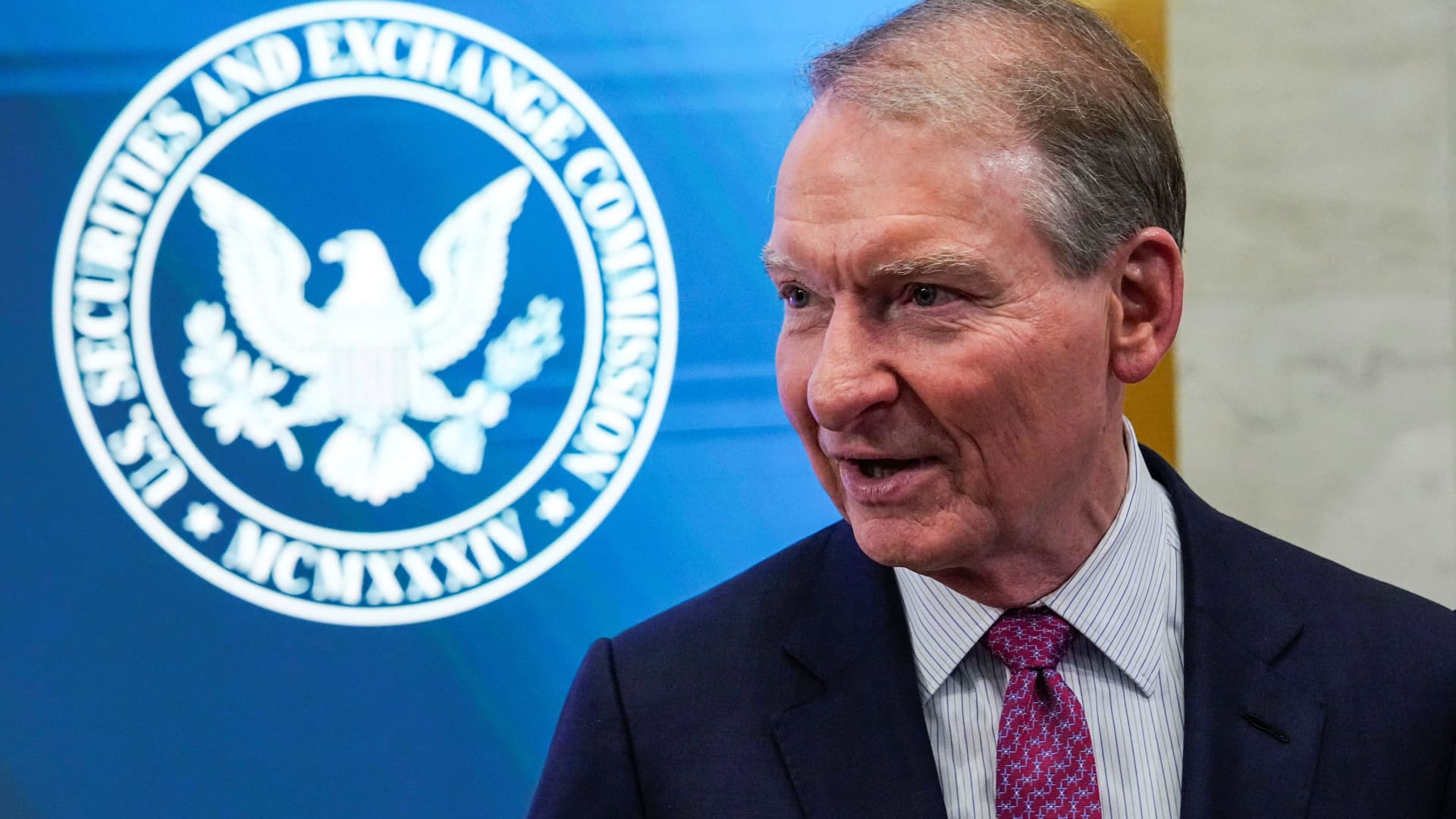
The U.S. Securities and Exchange Commission has officially opened the door for tokenized versions of publicly traded stocks, marking a significant shift toward integrating blockchain technology into American capital markets. Through a newly issued order known as the Innovation Exemption, the agency is granting specific trading venues and liquidity providers the regulatory breathing room to offer digital representations of equities. This move arrives shortly after a major piece of crypto legislation stalled in the Senate, signaling that SEC Chair Paul Atkins intends to use the agency’s existing authority to drive modernization under his Project Crypto initiative rather than waiting for congressional action.
Atkins described the five year exemption as a way to encourage responsible innovation while maintaining strict investor protections and market integrity. By allowing these assets to trade on chain, the SEC is essentially running a live pilot program to see how the market evolves before committing to permanent rules. For many investors and fintech firms, this represents a massive leap toward a financial system that never sleeps, potentially enabling twenty four hour trading and near instantaneous settlement cycles that bypass the delays of traditional brokerage systems.
However, the transition isn’t without friction, particularly regarding the legal rights of token holders and the autonomy of corporations. To avoid undermining the traditional relationship between companies and their shareholders, the SEC is requiring that stock tokens carry all the same economic privileges as regular shares, including dividends and voting rights. Furthermore, companies have been given a veto power; they can block their securities from being tokenized if they object within a thirty day notification window. These safeguards aim to appease critics like AMC CEO Adam Aron, who previously warned that synthetic exposures could detach stockholders from actual corporate governance.
While industry giants like Coinbase and Robinhood have already experimented with tokenized equities in offshore markets, this ruling brings those capabilities home to U.S. customers. To prevent extreme volatility during thin trading hours—a common risk with around the clock markets—the commission has implemented volume limits on these new instruments. As firms like Robinhood move to allow one to one redemptions of tokens for physical shares, the line between traditional investing and digital asset management continues to blur, pushing Wall Street closer to a fully decentralized future.