
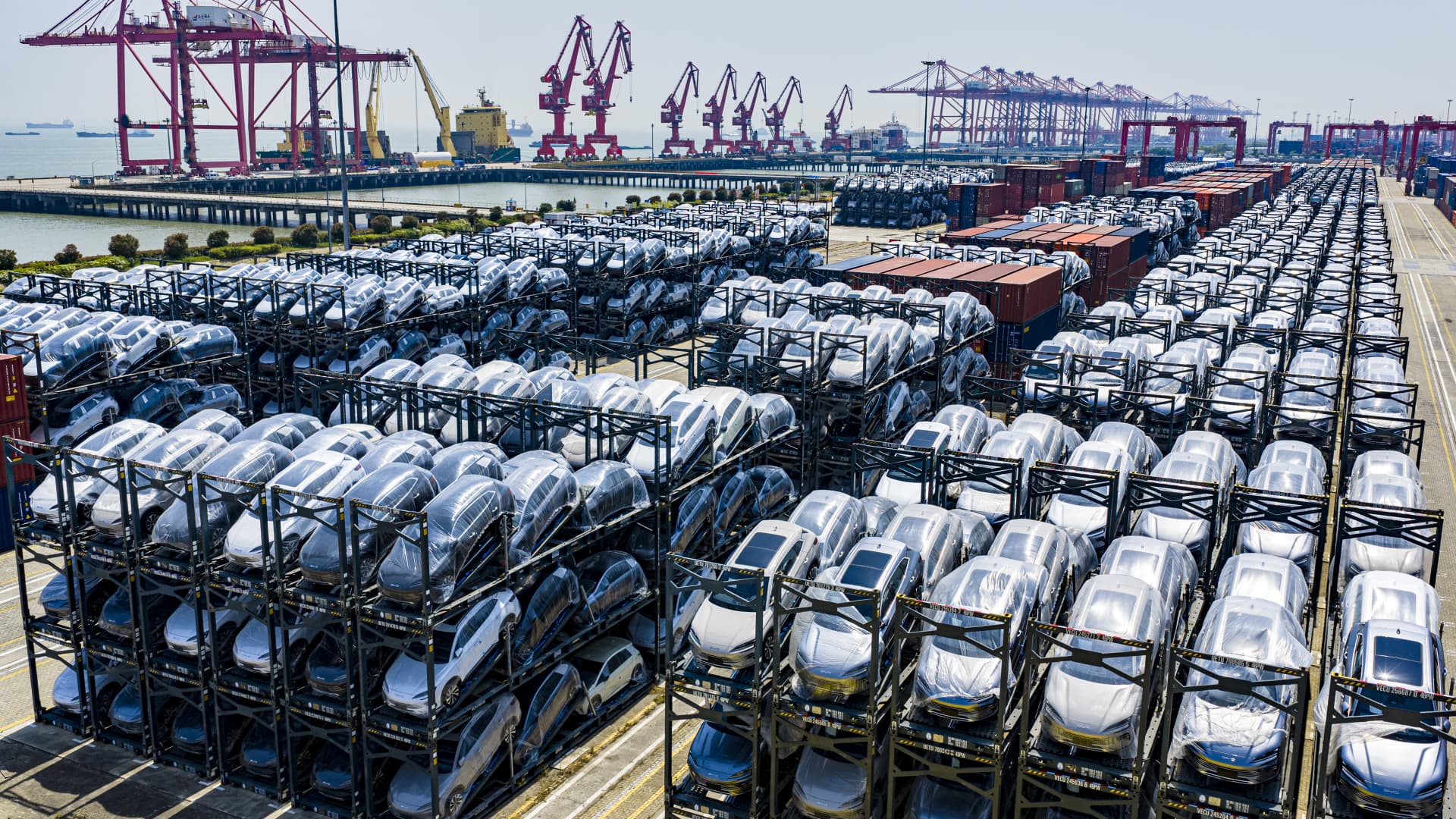
The United States is currently locked in a high stakes race to break China’s stranglehold on the battery supply chain, but experts warn that current government efforts may be too little, too late. While the Trump administration recently awarded 500 million dollars to seven companies focusing on battery minerals and recycling, analysts argue this amount is a drop in the bucket compared to the massive investments required to challenge Beijing. This modest funding arrives amid a confusing policy landscape, following the cancellation of numerous Biden era incentives for electric vehicles and battery manufacturing that once served as the primary engine for domestic growth.
China’s advantage isn’t just about having raw materials; it is about their absolute dominance in refining and processing. For instance, while lithium can be found elsewhere, roughly 95 percent of certain types of lithium rock processing happens within Chinese borders. Some American startups are attempting to leapfrog this bottleneck using innovative technologies, such as extracting lithium directly from saltwater brines or replacing Chinese graphite with domestically sourced silicon. However, moving from a successful laboratory prototype to mass producing millions of high quality units remains a daunting hurdle that requires billions in capital and years of infrastructure building.
Beyond chemistry and mining, the U.S. faces a brutal reality regarding industrial scale. Chinese giants like CATL have achieved levels of profitability and efficiency that Western firms simply cannot match yet, controlling the vast majority of global production for cathodes, anodes, and completed battery cells. As China continues to aggressively expand its own electric vehicle market—where new energy vehicles already make up over half of all car sales—the U.S. appears to be decelerating. With billions of dollars in planned battery projects canceled since early 2025 and federal tax credits gone, critics worry that American automakers are losing their window to remain competitive on the global stage.