
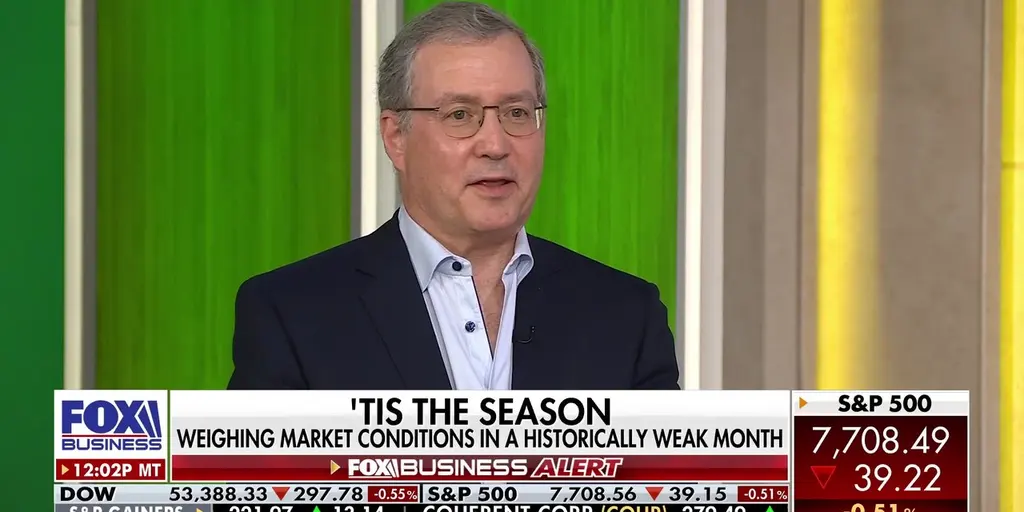
For years, the mantra of buying the dip has served as a comforting safety net for retail and institutional investors alike. The logic seems foolproof: when prices drop, you buy more shares at a discount, trusting that the market will eventually rebound to new highs. However, some financial strategists are now sounding an alarm, warning that this reflex has become dangerously automatic and may be masking deeper structural risks in the current economy.
The concern lies in what experts call a reflexive strategy, where investors stop analyzing company fundamentals or macroeconomic indicators and instead trade based on price action alone. By treating every downturn as a guaranteed purchasing opportunity, traders risk catching a falling knife during a true bear market rather than simply navigating a temporary correction. When the habit of buying dips becomes systemic, it can create an artificial floor for stocks that prevents them from reaching their actual fair value.
Critics argue that this psychological loop creates a feedback mechanism that fuels volatility. If everyone expects the government or central banks to step in whenever markets slide, they take on excessive leverage and ignore red flags that would have otherwise signaled caution. This mindset transforms disciplined investing into something closer to gambling, where the bet is not on the quality of the asset but on the persistence of a specific market pattern.
Ultimately, analysts suggest returning to a philosophy centered on valuation and long term goals rather than reacting to short term fluctuations. While opportunistic buying can certainly yield high returns during bull runs, relying solely on this tactic leaves portfolios vulnerable to sudden shifts in sentiment. The goal is to move away from instinctive reactions and back toward strategic planning before the next major dip proves too deep to recover from quickly.