
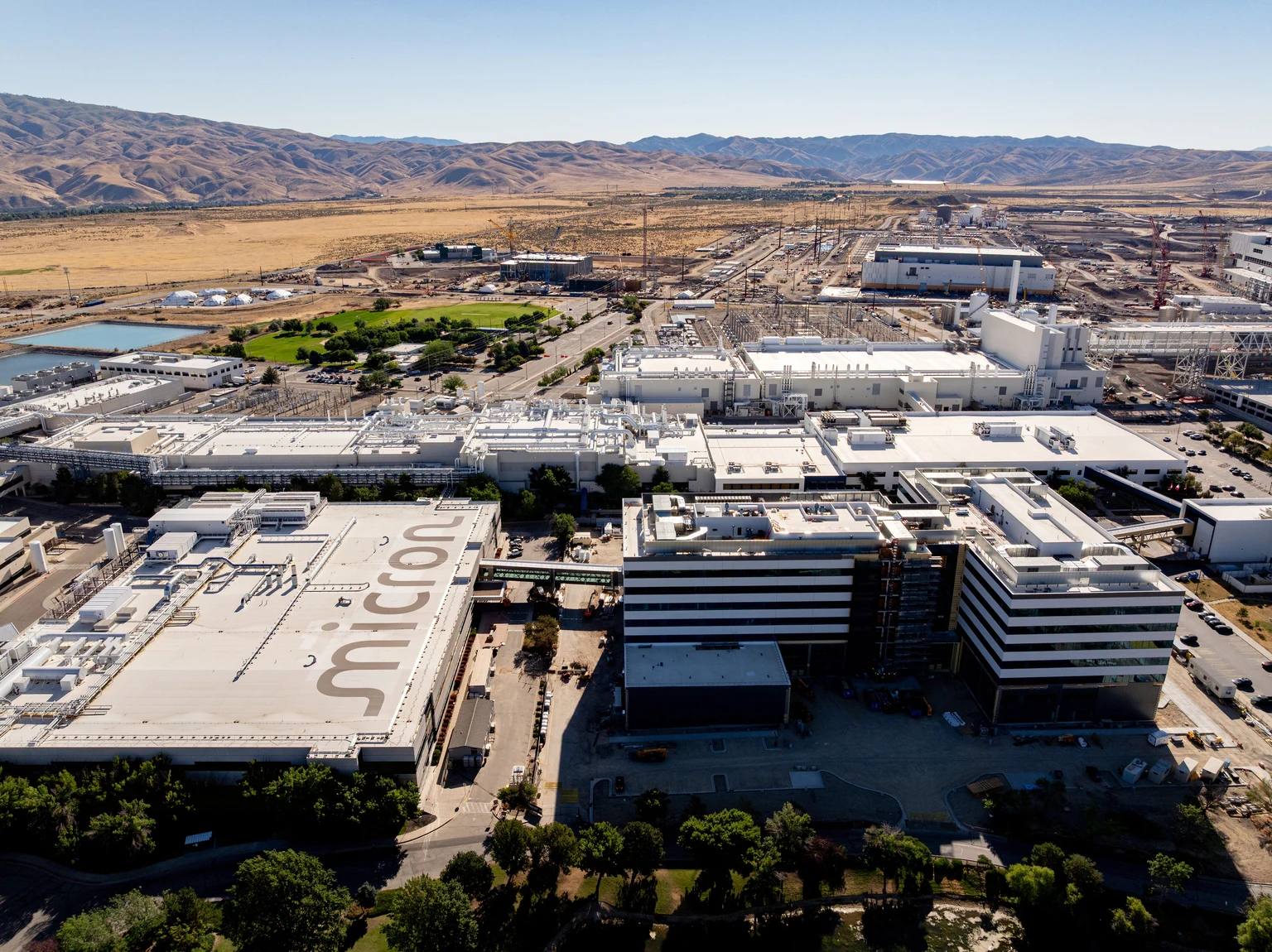
The traditional narrative surrounding semiconductor stocks has always been one of volatile cycles, where boom times are inevitably followed by painful busts. However, recent movements at Micron Technology suggest that the old playbook may no longer apply. While skeptics continue to bet on a return to these historical patterns, a new reality is emerging as massive cloud providers known as hyperscalers move to secure their future through strategic capacity agreements. By effectively paying upfront for production space, these tech giants are providing Micron with a financial cushion that insulates free cash flow from the typical swings of the memory market.
This structural shift is transforming Micron into something resembling a software service provider rather than a mere hardware manufacturer. As agentic artificial intelligence drives an unprecedented demand for specialized memory like High Bandwidth Memory, the company is moving toward a toll collector model. This transition allows them to maintain high margins even when broader market conditions fluctuate, essentially decoupling their profitability from the erratic pricing typically associated with commodity RAM and flash storage.
Despite this optimistic outlook, the road ahead is not without its hurdles. Analysts warn that potential supply shocks from competitors like CXMT or unforeseen shifts in hardware architecture could threaten these gains after 2027. There remains a lingering risk that algorithmic deflation could eat away at profit margins if technology evolves faster than anticipated or if alternative storage solutions emerge to replace current standards.
For now, however, the momentum seems to favor those betting on AI infrastructure over those waiting for a crash. Investors are keeping a close eye on Micron’s ability to lock in long term vendor agreements and sustain its gross margins through upcoming quarters. If the trend continues, the bear case based on cyclical history will look less like an informed prediction and more like a fairy tale told by people ignoring the fundamental change in how chips are bought and sold today.