
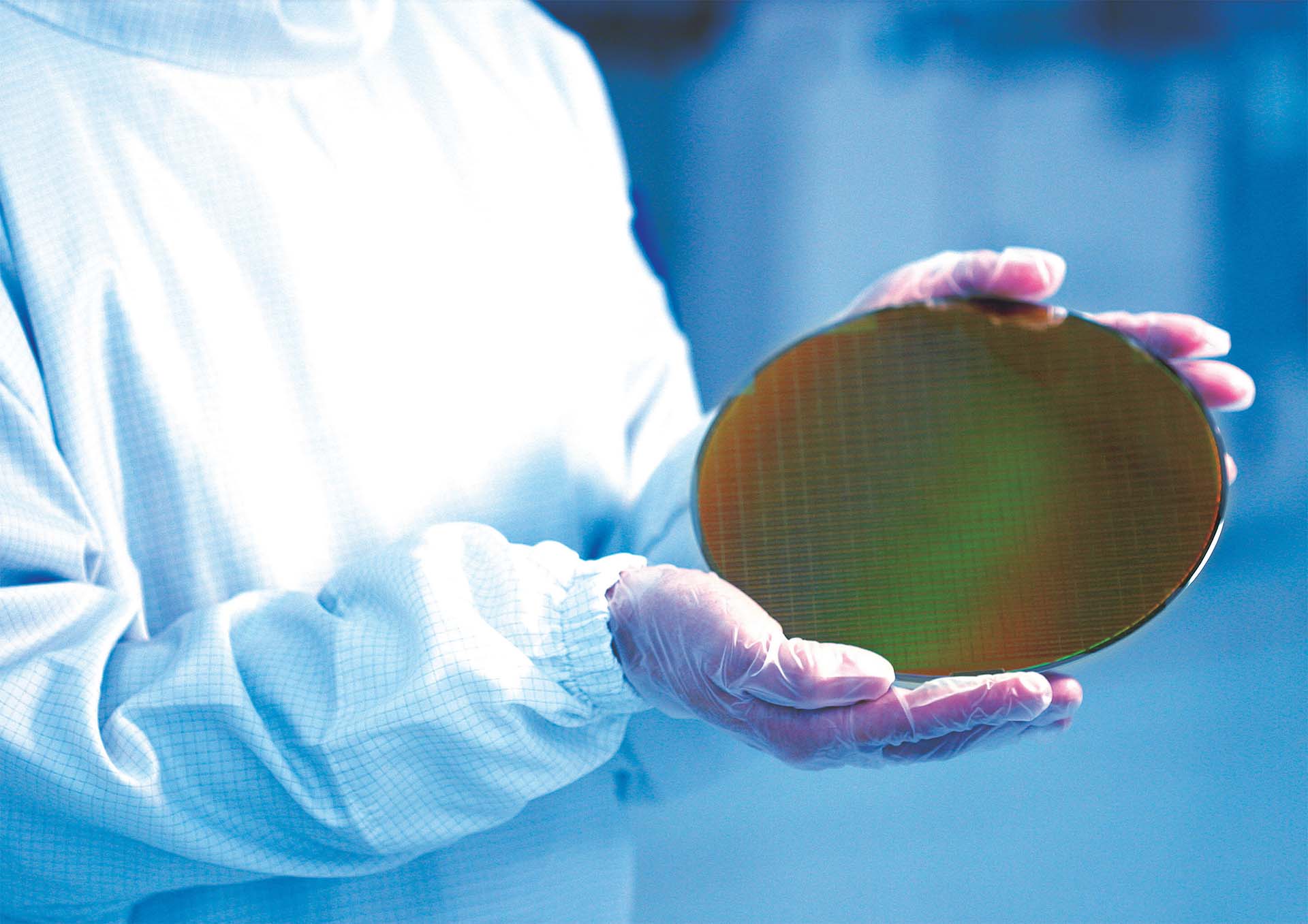
The global appetite for artificial intelligence has pushed the cost of memory chips to an almost surreal level, creating a market where silicon is rivaling precious metals. According to recent data from South Korea’s Trade Statistics Promotion Institute, the export price for DRAM has skyrocketed by 401 percent over the past year. In a startling comparison, one kilogram of these memory chips is now valued at approximately 127 million Korean won, making it worth roughly as much as 620 grams of 24 karat gold. This meteoric rise reflects a world scrambling to build out the massive infrastructure required to power AI models, leaving suppliers struggling to keep pace with demand.
This windfall has not gone unnoticed within the boardrooms of the industry giants. With profits soaring alongside prices, major players like Samsung and SK hynix have distributed generous bonuses to their employees to reward the surge in productivity. Meanwhile, workers at Micron’s facilities in Taiwan are reportedly eyeing similar payouts as they navigate a landscape where memory pricing is now twelve times higher than it was just before the generative AI boom took hold. While some see this as a golden era for semiconductor firms, others view it as a volatile bubble driven by an unprecedented hardware race.
The ripple effects of this price explosion are already being felt across the broader consumer electronics and enterprise sectors. Tech titans like Apple have been forced to raise product prices while simultaneously lobbying the U.S. government to allow sourcing from Chinese manufacturer CXMT in an effort to diversify their supply chains. Even high end hardware specialists are pivoting; laptop maker MSI has begun mixing older DDR4 chips with newer DDR5 components to manage costs, and there are growing concerns that Nvidia may be forced to hike prices on its upcoming Rubin GPU servers by up to 17 percent due to the sheer expense of integrated memory.