
A wave of anxiety recently swept through the upper echelons of the airline industry as the Federal Aviation Administration prepared to launch a highly anticipated artificial intelligence tool designed to manage flight congestion. For weeks, executives at major carriers felt left in the dark, grappling with vague descriptions of a system known as Strategic Management of Airspace Routing Trajectories, or SMART. Industry insiders admitted that the lack of clarity led to genuine panic, with fears that an overly aggressive integration of AI could trigger a cascade of flight cancellations and scheduling chaos in a misguided attempt to prevent bottlenecks.
The tension reached a breaking point until a series of emergency meetings took place, including a critical sit down between FAA Administrator Bryan Bedford and the CEOs of United, American, Delta, and Southwest. During these discussions, officials clarified that the AI would not suddenly rewrite the rulebook for air traffic control or impose disruptive new procedures on pilots. Instead, SMART will function primarily as an advisory tool, generating alternative routing suggestions that flow through existing systems. This shift toward a crawl walk run approach effectively calmed nerves by ensuring the technology supports current workflows rather than replacing them overnight.
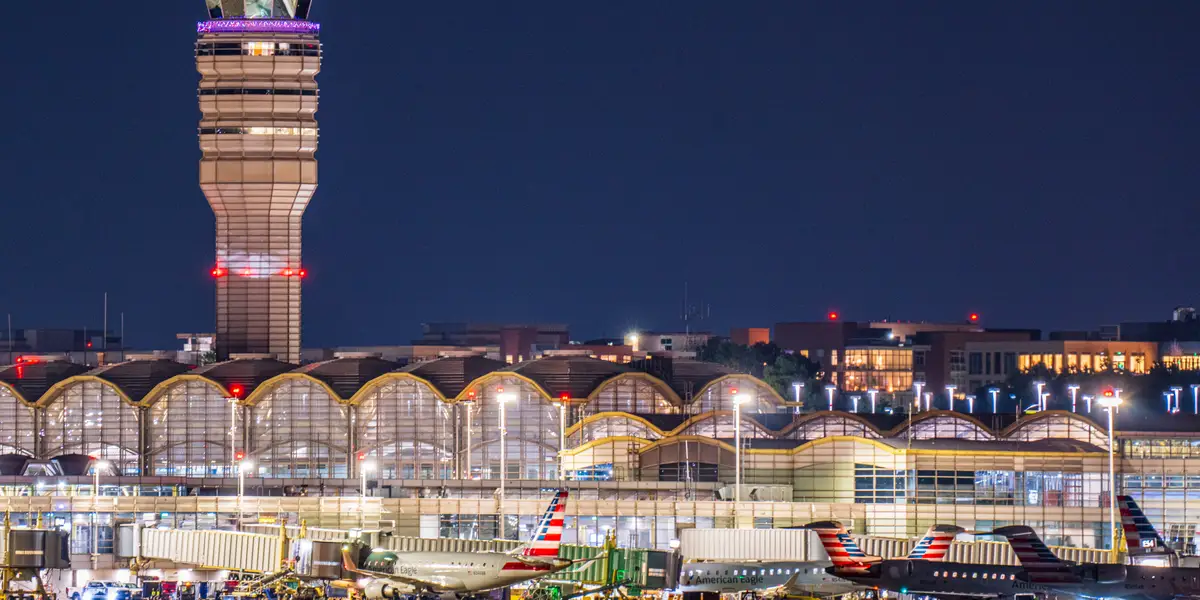
The initial rollout will be cautious and localized, focusing specifically on the three airports serving Washington D.C. Over a ninety day testing period, the FAA intends to prove the system’s worth by comparing its predictive analytics against actual flight paths. Transportation Secretary Sean Duffy and Administrator Bedford believe the real value lies in foresight; while traditional systems react to weather patterns in real time, SMART aims to forecast where storms are heading so airspace doesn’t stay closed longer than necessary.
Despite the renewed optimism from CEOs, some skepticism remains regarding whether AI is truly ready to revolutionize daily operations. While there are no concerns that SMART would compromise safety, critics wonder if the software can deliver on its lofty promises given the fragility of America’s aging air traffic infrastructure. Developed by Boston based Air Space Intelligence as part of a massive modernization contract, the tool represents a desperate push by regulators to avoid further disasters and streamline an increasingly congested sky.