
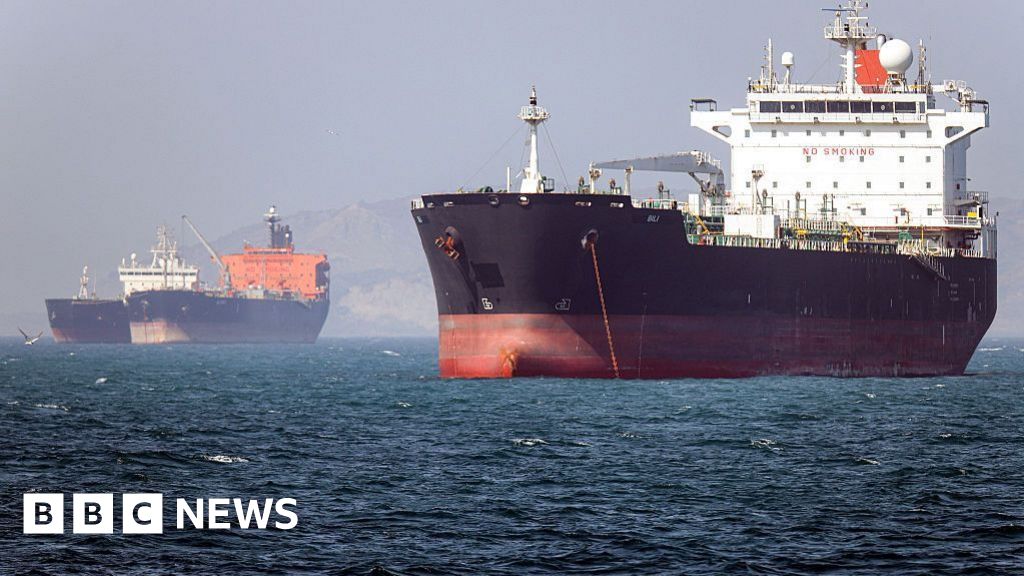
In a rare admission of uncertainty, investment banking giant JP Morgan has told investors that it is struggling to predict the trajectory of oil prices amid the ongoing conflict between the United States and Iran. In a candid note to clients, the bank revealed that its experts are unable to model an endgame for the crisis, marking a significant shift from their initial projections. Analysts admitted they had previously operated under the assumption that certain economic red lines would prevent further escalation, believing a deal to secure the Strait of Hormuz shipping lanes would have been reached months ago.
Those theoretical boundaries included ceilings on inflation and gasoline costs, as well as specific limits on government borrowing rates and oil prices. While some indicators remain below those thresholds, several others have already been breached. Oil has climbed back above one hundred dollars a barrel and yields on ten year government bonds have surpassed five percent. The bank noted that while these markers were once seen as deterrents for the Trump administration, crossing them has not led to a clearer exit strategy, leaving the market on edge.
Industry insiders described the note as highly unusual for a firm of JP Morgan’s stature, suggesting it serves as a stark reflection of current geopolitical volatility. Because oil is such a fundamental driver of global inflation and consumer costs, this lack of clarity creates significant anxiety for investors who rely on stable forecasts to make long term decisions. This instability is compounded by the continuing war between Russia and Ukraine, making it harder for economists to argue that disruptions to the global oil supply are merely temporary.
Adding to the confusion are conflicting signals from Washington. While President Donald Trump suggested recently that oil prices might tumble following the upcoming midterm elections, his timeline remains vague. Meanwhile, Federal Reserve officials continue to grapple with high inflation driven largely by soaring energy costs heading into the winter months. For now, JP Morgan maintains that while the fair value of oil should be closer to ninety dollars per barrel, current market pricing reflects a deep seated fear of further trade disruptions that no one knows how to quantify.