
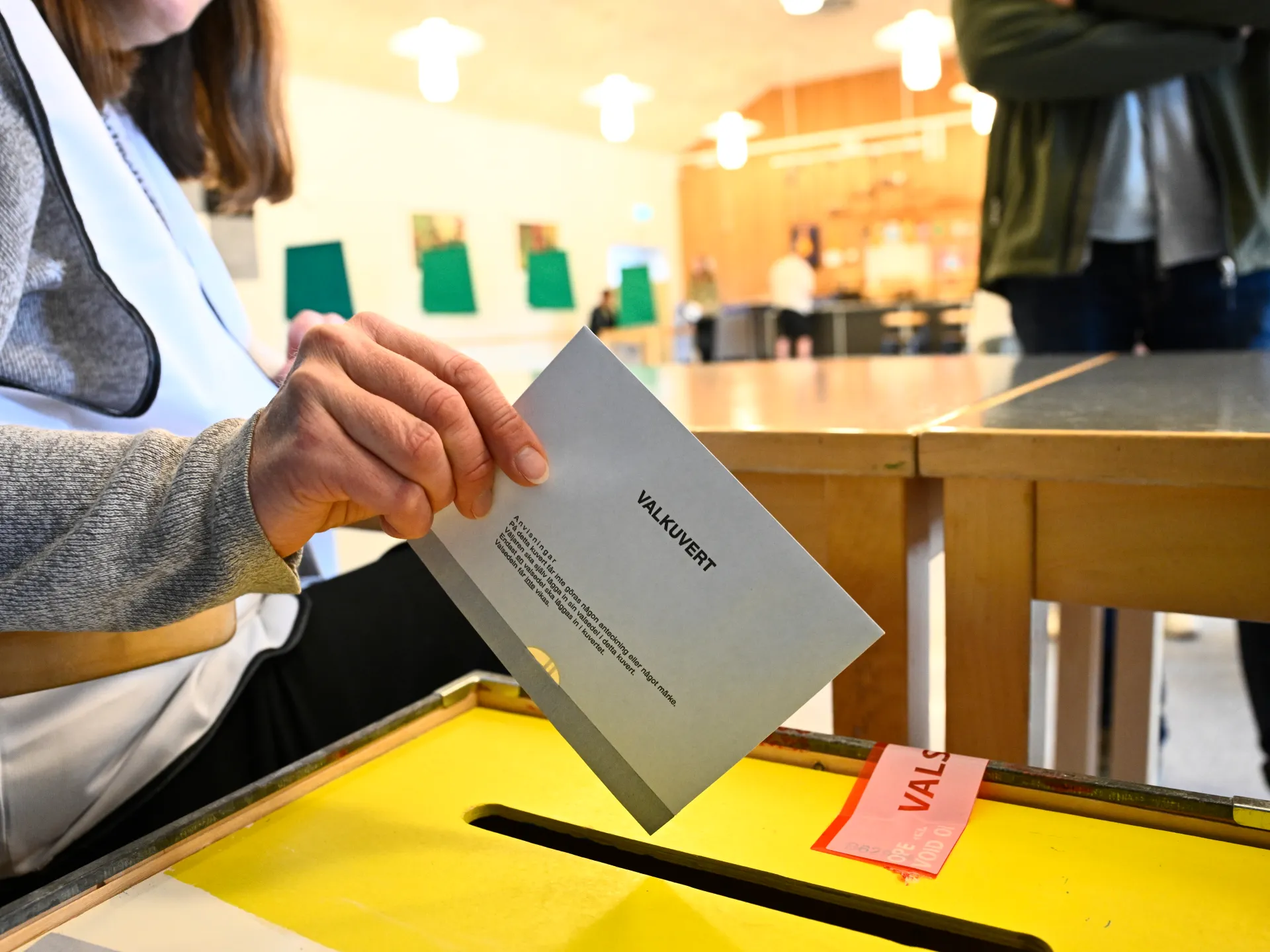
Voters across Sweden headed to the polls on Sunday in a high stakes general election that could fundamentally reshape the country’s political landscape. At the heart of the contest is whether the far right Sweden Democrats will enter the government for the first time, marking a historic shift in how the Nordic nation is governed. The race has tightened considerably in its final days, leaving it unclear whether Prime Minister Ulf Kristersson can maintain his hold on power or if Magdalena Andersson and her center left opposition will seize control.
Magdalena Andersson, the former prime minister and current leader of the Social Democrats, was one of the first to cast her ballot at a local school in Nacka. Speaking to reporters after she voted, Andersson framed the choice as a crossroads for the national identity, asking voters if they wanted a government dominated by the Sweden Democrats or one led by her focused on cooperation. Her platform centers on strengthening the welfare state and providing relief to families struggling with a rising cost of living.
On the other side of the aisle, Prime Minister Ulf Kristersson is fighting for a second term with a coalition that leans heavily on the support of the Sweden Democrats. While previously kept at arm’s length, this anti immigration party with neo Nazi roots has moved toward the mainstream and now expects cabinet positions if their bloc secures a majority. Kristersson has campaigned on his record of cracking down on organized crime and believes his administration provides better preconditions to improve daily life for ordinary citizens.
With roughly eight million eligible voters and historically high turnout rates, much of the outcome may depend on those who did not utilize early voting options. Polling stations are set to close at 8 p.m., followed immediately by exit polls that will provide the first glimpse into whether Sweden continues its trajectory toward a more conservative alignment or returns to its social democratic roots.