
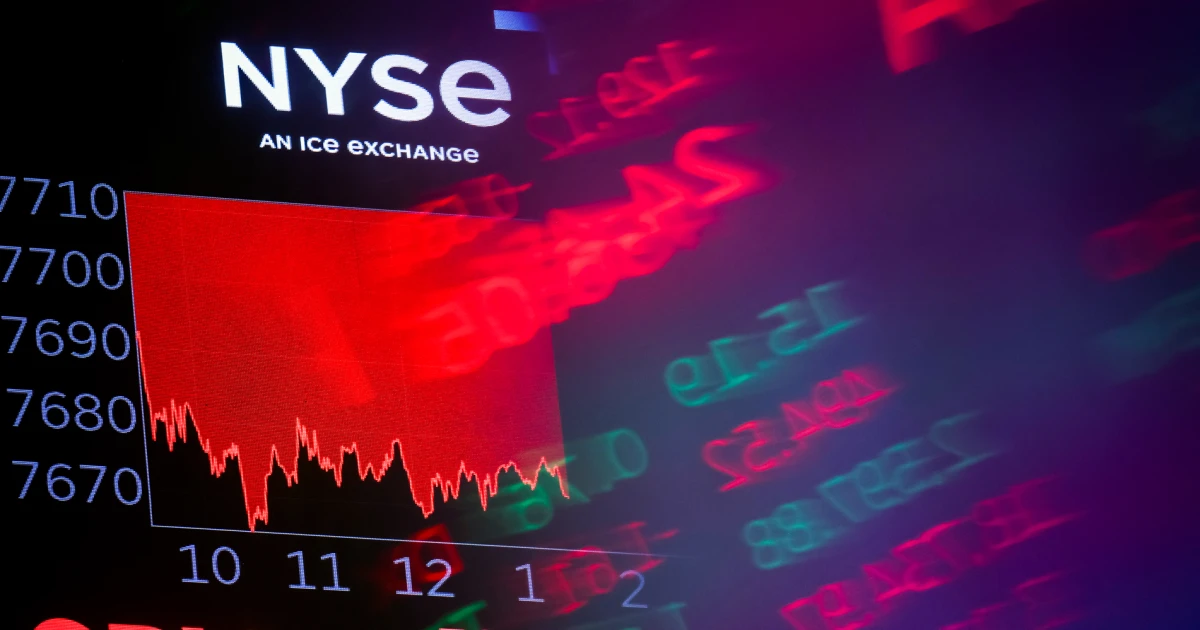
Financial markets experienced a volatile session on Tuesday as a wave of inflation fears triggered a sharp spike in government borrowing costs and sent major stock indices tumbling. The yield on the 10 year Treasury note climbed to approximately 4.79 percent, marking its highest point since early 2025. This surge coincided with a rough start for Wall Street, where the S&P 500 dipped toward a monthly low and the tech heavy Nasdaq saw significant losses. The turmoil reflects a growing consensus among investors that the Federal Reserve may be forced to hike interest rates at its upcoming policy meeting to keep stubborn inflation under control.
Geopolitical instability played a primary role in fueling this volatility, specifically escalating tensions between the U.S. and Iran. Reports of attacks in the Strait of Hormuz pushed Brent crude prices above 92 dollars per barrel, adding fresh pressure to energy costs globally. These external shocks arrived shortly after Federal Reserve Chairman Kevin Warsh signaled his discomfort with current inflation levels, noting that business investment fueled by artificial intelligence and strong consumer demand remained aggressively brisk. For many traders, these factors combined create a perfect storm that necessitates higher returns for lending money to the government.
The implications of these rising yields extend far beyond trading floors, as the 10 year Treasury serves as a critical benchmark for everyday American loans. Consumers should prepare for more expensive mortgages, auto loans, and credit card debt in the coming months if this trend persists. Similar patterns emerged internationally, with Japanese bond yields hitting record highs and U.K. gilts reaching levels not seen since 1998, suggesting that developed nations are collectively struggling with mounting debts and tightened oil supplies.
However, some analysts argue that this shift isn’t entirely negative. Some economists suggest that rising yields actually signal a period of reinvigorated economic health driven by AI innovation and government spending, making safe haven bonds less attractive than growth oriented stocks. While Treasury Secretary Scott Bessent has dismissed these concerns as temporary supply shocks related to Middle Eastern conflicts, others warn that if inflation becomes permanent, the Federal Reserve will have little choice but to slow economic growth through aggressive rate hikes, potentially leading to further equity market declines.