
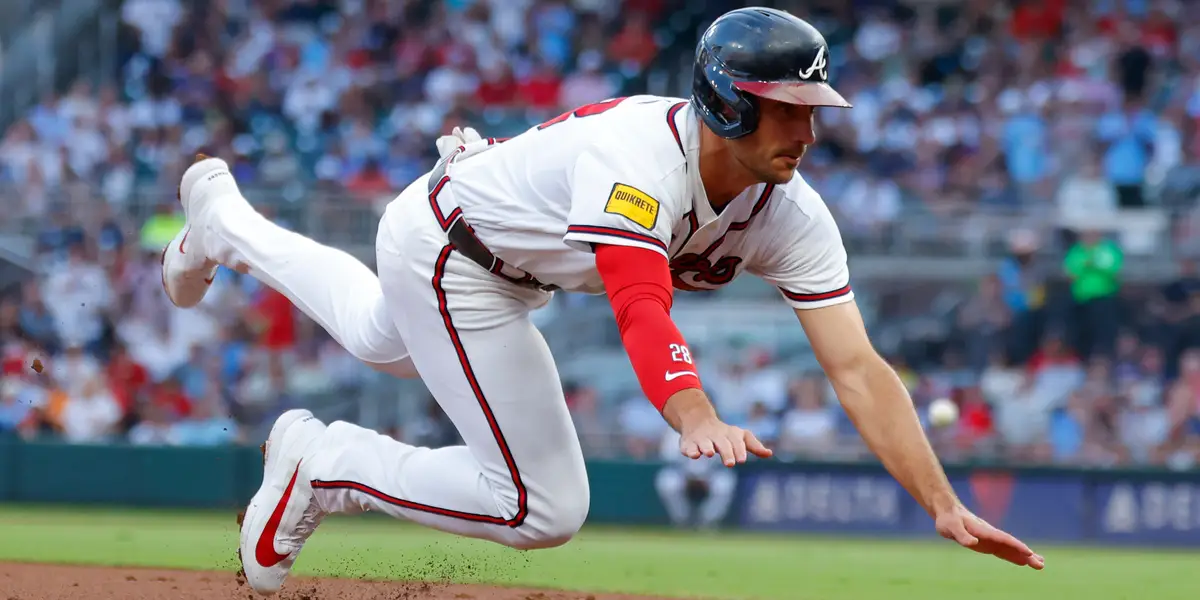
Wall Street traders are already placing their bets on a potential disaster for baseball fans, as a surge of short sellers targets the Atlanta Braves stock amid growing fears of a Major League Baseball lockout. Because the Braves are the only MLB club with publicly traded shares, they have become the primary proxy for investors wanting to gamble on the outcome of looming labor disputes. According to data from financial analytics firm S3 Partners, there has been a dramatic spike in bets against the team, signaling a lack of confidence that ownership and players will reach an agreement before winter.
The tension appears to have reached a boiling point following a proposal from league owners regarding a salary cap back in May. This suggestion proved to be a nonstarter for the players union, effectively ratcheting up friction just as critical negotiations approach. Since then, short interest in Braves class C shares has climbed significantly, with some reports indicating a record setting 142 percent increase in total shares shorted since the beginning of the year. For these investors, every single week that passes without a signed deal between December and spring training represents a winning opportunity.
While some analysts suggest that this trend might simply be a reaction to the stock trading near all time highs, the timing suggests something deeper. Sports franchise valuations have skyrocketed recently, bolstered by massive sales like that of the Los Angeles Lakers, making many believe current prices are overinflated regardless of labor issues. However, combined with the threat of a prolonged lockout that could freeze operations heading into next season, the narrative is shifting toward fear rather than mere valuation adjustments.
As these financial battles play out behind closed doors and on trading screens, baseball enthusiasts face an uncertain future. If the short sellers prove correct and labor talks collapse, fans may find themselves staring at empty stadiums while Wall Street profits from the silence. Until then, shareholders and supporters alike remain caught in a waiting game that pits corporate strategy against athlete demands.